




Free U.S. Shipping
Ships from USA

Hassle-Free Returns
and Exchanges

Ethically Crafted
Sustainably Sourced Materials

200K+ Happy Couples
Fantasy-inspired designs
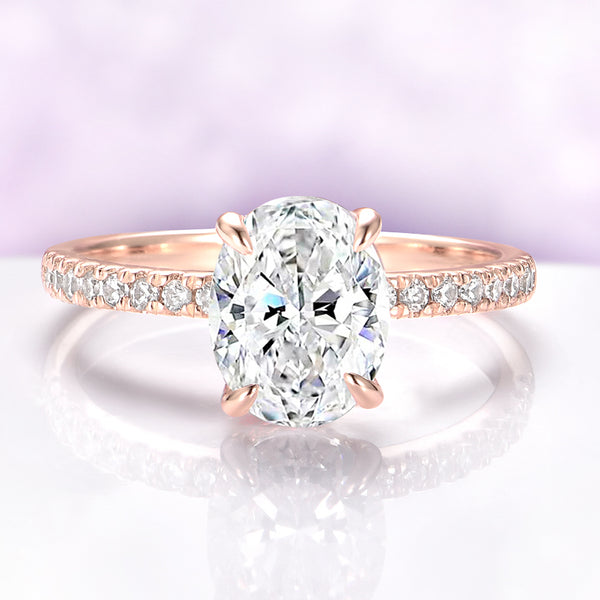
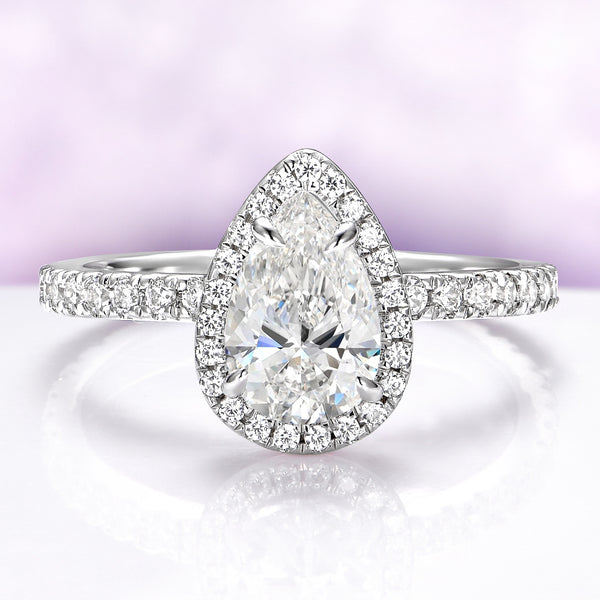
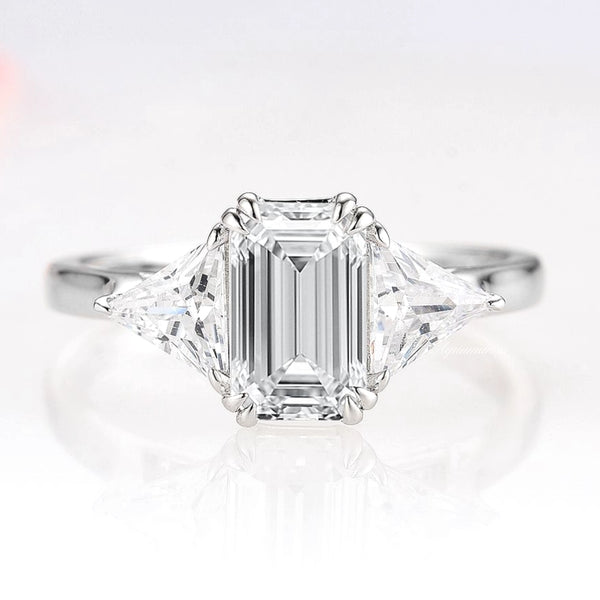
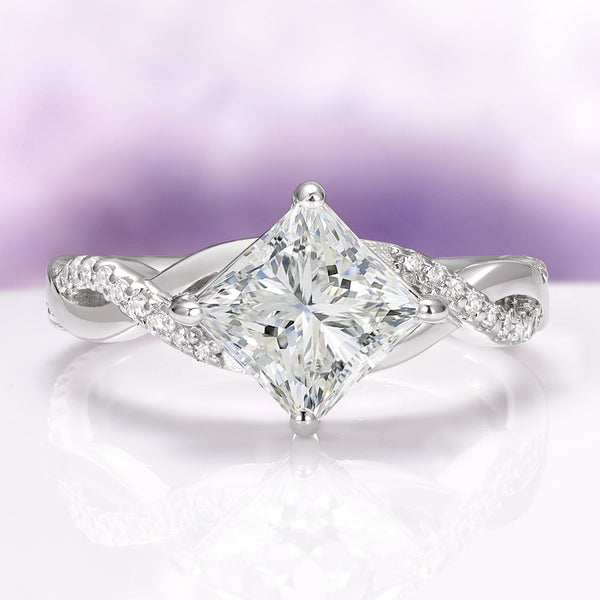
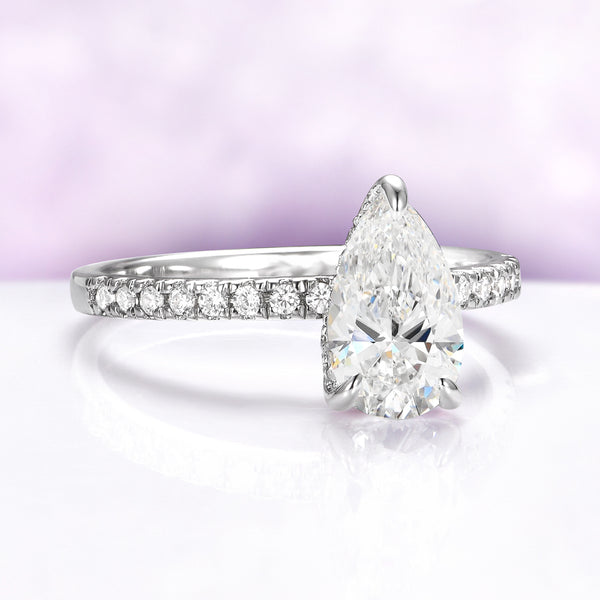
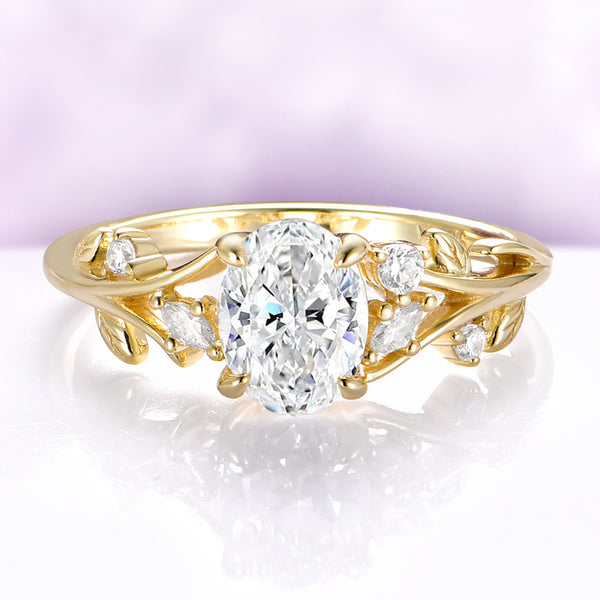
Traditional engagement rings are the classics — a clear center stone in a timeless setting, without unusual cuts or statement details. They stay in style precisely because they don’t chase it: a solitaire, a halo or a trilogy in a clean metal band has looked right for a century and will look right in fifty years. This collection gathers our traditional engagement rings in genuine 925 sterling silver, gold vermeil and solid gold.
Classic engagement ring settings
Three settings define the traditional category. The solitaire puts a single stone on a plain band — the most recognizable engagement ring in the world. The halo encircles the center stone with smaller accents for extra brilliance and apparent size. And the three stone or trilogy setting flanks the center with two side stones. Add a pavé band for sparkle along the shank.
Traditional center stones
The classic choice is a colorless center stone: lab-grown diamonds (IGI certified) deliver the traditional look with full certification, while moissanite offers comparable brilliance at a lower price. Round and oval cuts are the most traditional shapes, with princess and emerald close behind.
Traditional, vintage or unique?
If you like classic proportions but want period character, see vintage & antique engagement rings, where milgrain and filigree detailing add age without abandoning the familiar silhouette. If you’d rather break from convention entirely, browse unique engagement rings or gemstone engagement rings. Pair any traditional ring with a matching band from women’s wedding bands.
Traditional Engagement Rings FAQs
What makes an engagement ring traditional?
A clear center stone in a classic setting — usually solitaire, halo or three stone — on a clean metal band, without unconventional cuts or statement detailing.
What is the most classic engagement ring setting?
The solitaire: a single center stone on a plain band. It is the most recognizable engagement ring style worldwide and the benchmark other settings are compared against.
Which center stone is most traditional?
A colorless stone in a round or oval cut. Lab-grown diamonds give the traditional look with IGI certification; moissanite offers similar brilliance for less.
Traditional or vintage — what’s the difference?
Traditional means classic, current proportions with no period styling. Vintage adds era detailing such as milgrain beading and filigree to that familiar silhouette.
What wedding band suits a traditional ring?
A plain or pavé straight band sits flush against most solitaire and halo settings. See women’s wedding bands; three stone rings often pair better with a curved band.
From the Blog

Diamants créés en laboratoire : Le guide complet
Un guide complet sur les diamants de laboratoire : sont-ils de vrais diamants, comment sont-ils fabriqués, leur coût, leur certification, leurs avantages et inconvénients, et si l'achat en vaut la peine.

Certification IGI ou GIA : à qui faire confiance en 2026 ?
Certification des diamants IGI vs GIA expliquée : ce que sont chaque laboratoire, leurs différences, lequel grade les diamants de synthèse, si le GIA est plus strict, et comment lire...

Guide des prix des diamants de laboratoire : combien coûtent-ils
Un guide des prix des diamants créés en laboratoire : combien coûte un diamant de 1, 2 ou 3 carats, ce qui affecte son prix, comment il se compare à...

Comment prendre soin de votre bague de fiançailles : quand l'enlever et conseils d'entretien
Votre amour est à l'épreuve des balles, mais pas votre bague. Un guide complet sur les moments où l'enlever, la façon de nettoyer chaque métal en toute sécurité, les soins...