Alexandrite: The Complete Guide to the World’s Most Dramatic Color-Changing Gemstone
If you could peek into the jewelry box of a Russian czar from the 1830s, you’d find a stone that never quite settles on a single shade. Discovered in the Ural Mountains on the very day Alexander II came of age, Alexandrite stone redefined what a gemstone could do.
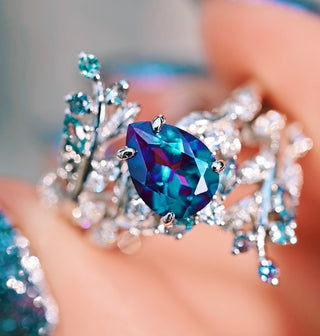
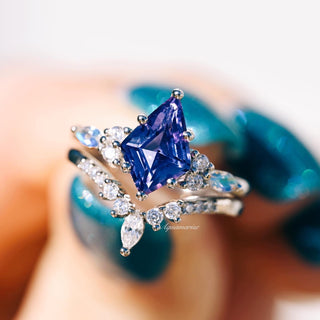
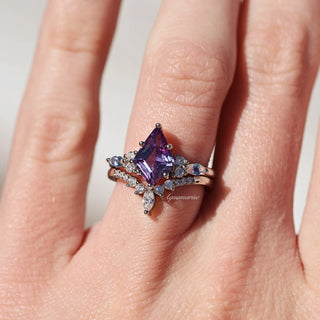
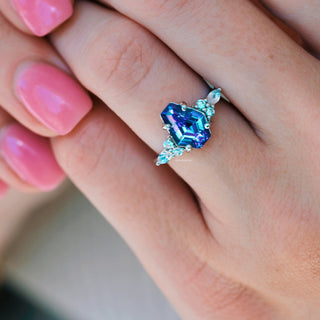
It’s called “emerald by day, ruby by night,” and for a good reason. Nature shares how it changes color “according to the ambient lighting, from emerald green in daylight to ruby red in incandescent light from tungsten lamps or candles.”
It all comes down to how chromium atoms absorb different wavelengths, a phenomenon so distinct that geologists literally named it the Alexandrite Effect. It’s rare, and frankly, it’s the only rock that matches your vibe when you switch from professional mode to laid-back weekends.
Let’s get into what makes the alexandrite one of the most fascinating gemstones.
The History of Alexandrite Gemstone
The story starts in the 1830s along the Tokovaya River in the Ural Mountains. Miners were digging for emeralds when they pulled out these green crystals that looked exactly like what they were looking for (until the sun went down).
By the light of a campfire, those emeralds pulled a disappearing act and turned a deep, raspberry red. That’s when they realized they’d stumbled onto a rare natural phenomenon.
Naturally, the scientists got involved, and things got political. Nils Gustaf Nordenskiöld, a Finnish mineralogist, wanted to call it diaphanite. But Count Lev Perovskii saw a golden opportunity to climb the social ladder.
He took the opportunity and named it Alexandrite to butter up the Imperial family, presenting it to the future Czar Alexander II on his 16th birthday in 1834. Since red and green were the official colors of the Russian Imperial military, the stone basically became the national mascot overnight.
By the late 1800s, George Frederick Kunz (the legendary gemologist for Tiffany & Co.) decided he wanted in. Backed by the deep pockets of J.P. Morgan, Kunz headed to the Urals in 1891 and bought up everything he could find. For decades, Tiffany completely cornered the market, turning out high-end platinum and gold rings that defined the era's luxury.
But Russia’s supply wasn’t infinite. The mines were tapped out by the early 20th century, and the stone nearly went extinct until 1987, when a massive deposit was found in Minas Gerais, Brazil. Today, Brazil is still the leading producer, though you’ll find smaller deposits in Sri Lanka and East Africa.
If you want to see the core sources, the Smithsonian is the place to go. They’ve got the 17.08-carat Whitney Alexandrite and a massive 65.7-carat specimen from Sri Lanka. But the real holy grail is the Sauer Alexandrite – a 54-pound uncut beast found in 1967. Nobody knows its current location because it vanished after the owner died.
That mystery is likely why the market is currently on fire. In December 2024, a 16.53-carat ring at Sotheby’s went for a record-shattering $1.9 million. Not bad for a stone that once fooled miners into thinking it was just another emerald!

The Science Behind How Alexandrite Changes Color
Alexandrite stone is a variety of chrysoberyl, typically a yellow-green stone. But everything changes with chromium (Cr3+). These ions squeeze into the crystal structure, replacing some of the aluminum atoms. It takes less than 1% of this chromium substitution to make a standard mineral a master of disguise.
Chromium aggressively absorbs light in the yellow part of the spectrum (around 572nm).
However, it’s perfectly happy letting both green and red wavelengths pass right through. Because it blocks the middle of the rainbow, the stone’s final alexandrite stone color depends entirely on the light you’re standing in.
- In Daylight: Natural sunlight is packed with blue and green wavelengths. Since the stone allows green to pass through, your eyes see a crisp, bluish-green gem.
- In Incandescent Light: This light is heavy on the red end of the spectrum. The stone lets that red light pass, and suddenly, you’re looking at a raspberry or purplish-red gem.
This is backed by serious research. A 2020 study in Scientific Reports used the von Kries model of human color constancy to prove that this effect requires a geological miracle.
The yellow absorption band has to be exactly the right width and in the exact right position. If the chromium levels aren’t perfect, or if impurities like iron sneak in, you get a muddy, brownish-red shift instead of that high-contrast transition.
To make things even more complex, alexandrite gemstone is trichroic. This means it’s strongly pleochroic, showing green, orange, or purple-red depending on which angle you’re looking from.
It’s separate from the color-change effect, but it adds another layer of “what color is alexandrite?” (The answer is: all of them). The finest stones are the ones that keep their colors pure, shifting from a vivid, forest green to a rich, royal red without any of that dull, grayed-out look.
Alexandrite Stone Properties, Hardness & Durability
If you’re looking for an engagement ring but aren’t exactly thrilled about the “it has to be a diamond or it’s not worth at all” narrative, you need to look at the spec sheet for this stone.
Let’s first talk numbers. On the alexandrite Mohs scale, this stone hits a solid 8.5. To put that in perspective, it’s the third hardest common gemstone on the planet. It sits comfortably behind diamonds (10) and rubies/sapphires (9).
It actually outranks emeralds and topazes. Because alexandrite hardness is so high, it’s remarkably resistant to the scratches and scuffs that come with reaching into your bag or bumping into a door frame.
So, is the alexandrite gemstone durable enough for daily wear? Absolutely.
- Daily Survival: Since it’s an 8.5, almost nothing you encounter in a normal day (keys, coins, glass) is hard enough to scratch it.
- The Reality Check: While it’s incredibly scratch-resistant, no stone is invincible. A sharp, high-velocity blow can still chip it. If you’re someone who works with your hands or has a particularly active lifestyle, a protective bezel setting is a smart move.
- Authenticity: One of the coolest things about this stone is that it’s typically untreated. While most sapphires are heat-treated and emeralds are oiled to hide cracks, what you see with alexandrite is exactly what nature made in the earth's crust.
Maintaining that sparkle is low-stress, too. All you need is warm, soapy water and a soft brush to do the trick perfectly. It’s even tough enough to handle ultrasonic and steam cleaners. Just keep it away from harsh industrial chemicals, and it’ll likely outlast most of the tech in your pocket.
For the full rundown on keeping your pieces pristine, check out our Jewelry Care hub.

Natural vs Lab-Grown Alexandrite Gemstone
When you’re hunting for this stone, you’ll see terms like natural alexandrite, synthetic alexandrite, and simulated, and if you aren’t careful, you might end up with something that isn’t what you bargained for. Let’s break down the real vs fake alexandrite debate so you can shop with your eyes wide open.
The Earth-Born Rarity: Natural Alexandrite Stone
To say a natural alexandrite gemstone is rare is a massive understatement. Geologically speaking, it shouldn’t even exist.
It requires beryllium and chromium to meet up in the Earth’s crust, but these two elements usually live in completely different types of rocks that almost never touch. This is why natural specimens are scarcer than diamonds.
Most natural stones are tiny, usually under one carat. If you find one over five carats, you’re looking at a golden investment. And the price reflects that. Top-tier natural stones can command anywhere from $60,000 to $115,000 per carat, and their demand is only accelerating.
The Modern Marvel: Lab-Grown (Synthetic) Alexandrite
Lab-grown alexandrite and synthetic alexandrite are the exact same thing, and they are real in terms of chemistry. Using methods like the Czochralski (pulled) process, scientists can grow the same BeAl2O4 + Cr crystal structure in a lab.
- The Upside: You get the same hardness, the same light physics, and that legendary color change at a fraction of the cost.
- The Truth: While beautiful, lab-created stones don’t hold investment value. They won’t appreciate like a rare natural find, but they allow you to wear a stunning, high-quality gemstone without needing a private security detail. At Aquamarise, we use lab-grown stones to ensure that the mesmerizing color change is accessible for daily wear.
The Simulated Trap
Don’t confuse lab-created alexandrite gemstone with simulated stones. A simulant is basically a stunt double; it looks the part but doesn’t have authentic composition. Most simulants are actually synthetic sapphires or color-changing cubic zirconia.
Pro Tip: You can usually spot a simulant because the color shift looks off. True alexandrite (natural or lab) shifts from green to red/purple. Simulants often show a blue to purple shift.
Also, whether you’re buying for the investment or the aesthetic, always ask for lab verification. If the price for a natural stone seems too good to be true, your gut is probably right!

Alexandrite Meaning, Symbolism & Birthstone Significance
While pearl and moonstone have traditionally held the spotlight, June alexandrite birthstone is the star player of the group. It wasn’t officially added to the Jewelers of America list until 1952, but it has been a cult favorite since it first showed up in the 19th century.
Beyond its status as a birthstone, it’s also the designated gem for the 55th wedding anniversary. If you’ve managed to stay married for over half a century, a stone that can handle a massive personality shift probably feels pretty relatable.
The Symbolism of Duality
The core alexandrite stone meaning is almost always tied to its chameleon nature. Because it refuses to be just one color, it has become a universal symbol for balance, transformation, and duality.
- The Imperial Good Omen: In its early Russian days, alexandrite stone was seen as a sign of incredible luck. Since its colors mirrored the Imperial military uniforms, owning a piece was like wearing a lucky charm for the entire empire.
- The Creative Edge: Traditionally associated with imagination and emotional strength, many believe the stone reflects an ability to thrive in changing circumstances.
- Positive Change: Believed by some to promote adaptability, it’s often gifted to people starting new chapters in their lives. It represents the idea that you can change your colors without losing your core identity.
Whether you’re looking for a piece that matches your own multifaceted personality or you’re shopping for a June birthday, our Birthstone Jewelry collection features some of the most striking lab-grown specimens available.

How Much Does Alexandrite Cost?
If you’re asking, “Is alexandrite expensive?” the short answer is: yes. In fact, for a top-quality natural stone, you’re looking at one of the most expensive gems on the planet, often outpacing diamonds, rubies, and sapphires in the per-carat department.
Natural Alexandrite Price Per Carat
To give you a realistic idea of how much alexandrite is worth, here’s how the market currently breaks down for high-quality natural stones:
- Under 1 Carat: Expect to pay anywhere from $1,800 to $5,000 per carat.
- 1 to 2 Carats: The price jumps to $5,000-$15,000 per carat.
- Over 5 Carats: You’ve officially entered the top-tier category. These can fetch $30,000 to $115,000 per carat at auction.
The Factors Driving the Price
- The Origin Premium: Russian stones are the gold standard due to their history and scarcity. Brazilian stones are the next best thing, usually offering the most vivid color shifts found today. Sri Lankan stones are often larger but tend to have a muddier transition.
- Clarity & Size: Because these crystals grow in chaotic geological environments, finding a clean stone without visible inclusions is incredibly rare.
- Lab-Grown Accessibility: This is the game-changer. While natural stones are priced like fine art, lab-grown alexandrite cost is dramatically lower. It allows you to get that high-contrast color change and 8.5 hardness at mainstream price points without needing to liquidate your 401(k).
A quick reality check: If someone offers you a natural alexandrite that is large, eye-clean, and suspiciously cheap, walk away. It’s almost certainly a lab-grown stone or a simulant. Quality natural alexandrite is genuinely rare. If the price doesn’t make you wince a little, it’s probably not the real deal.
Choosing Alexandrite Gemstone for Engagement Rings and Jewelry
While most people default to diamonds, choosing alexandrite says you value something a bit more complex and a lot more interesting.
The best part is, you aren’t sacrificing durability for style. With an alexandrite hardness of 8.5, this stone is a tank. It’s right up there with sapphire engagement rings in terms of daily wearability.
It won’t scuff if you’re active, and it won’t lose its luster over time. It’s the perfect forever stone for someone who wants color but doesn’t want to worry about their ring every time they reach for a door handle.
Settings and Style: Making the Shift Pop
How you set the stone changes how it performs. Because alexandrite jewelry is all about light, the setting you choose matters.
- Prong Settings: These are the gold standard for maximizing light. By lifting the stone, you allow light to hit it from every angle, making that green-to-red transition as sharp as possible. Our Engagement Ring Styles & Setting Types guide shows how different heights affect the look.
- Bezel Settings: If you have a high-octane lifestyle, a bezel setting wraps the stone in a protective metal rim. It’s sleek and keeps the edges of your gem safe from accidental chips.
- Metal Choice: This is where you can get creative. Rose gold tends to pull out those warm, raspberry-red tones, while white gold or platinum makes the cool, teal-green side of the stone look incredibly crisp.
More Than Just Rings
While an alexandrite stone ring is the classic choice, don’t sleep on alexandrite earrings or an alexandrite necklace. Because these pieces move with you, they are constantly catching different light sources.
A pendant might look like a forest emerald while you’re at brunch and shift into a moody purple by the time you're under the dim lights of a dinner reservation.
For those looking for something truly unique, our Skye Kite Collection features some of our most architectural alexandrite pieces that really lean into that modern vibe.
The Pro Test
Before you commit to a piece from our full alexandrite jewelry collection, make sure you view it under every light source you can find. Look at it in the harsh midday sun, under your office LEDs, and then by the warm glow of a lamp. If the stone doesn’t surprise you at least three times a day, it isn’t doing its job.

What to Watch Out For When Buying Alexandrite
If you’re standing in a jewelry shop or scrolling through a listing and the price seems too good to be true, your instincts should be warning you that it’s probably not real.
Because of its rarity, the market is flooded with imitations. Knowing the difference between real vs fake alexandrite is about knowing exactly what you’re putting on your finger.
The Terminology Trap
First, let’s clear up the lingo. The industry uses words that sound similar but mean completely different things:
- Lab-Grown / Synthetic: This is a real alexandrite stone. It has the same essence, the same 8.5 hardness, and the same chemical soul as a stone from the earth.
- Simulated / Imitation: This is the stunt double. It’s usually a cheap piece of synthetic sapphire (corundum) or glass that’s been dyed to look like alexandrite. It doesn’t share Alexandrite’s natural structure at all.
The Blue-to-Purple Hint
If you want to know how to tell if alexandrite is real, look at the daylight color. A genuine alexandrite (whether lab-grown or natural) should look green to bluish-green in the sun and shift to red or purplish-red under a lamp.
Most fakes (especially the ones sold in tourist shops) show a cobalt blue to bright purple shift. If that stone looks like a sapphire in the morning and a grape soda by night, it’s almost certainly synthetic corundum, not alexandrite.
The Size Red Flag
Nature is stingy with this mineral. Finding a natural alexandrite gemstone over two carats is like finding a unicorn in your backyard. If you see a natural stone that’s the size of a postage stamp and costs less than a used car, someone is pulling your leg.
Anything over five carats is museum-quality and priced accordingly. Large, clean, and affordable stones are almost always lab-grown.
Trust, But Verify
If you’re dropping serious money on a natural stone, always demand independent certification from labs like the GIA, AGL, or Gubelin. These reports are the only way to prove a stone’s origin and authenticity.
At Aquamarise, we believe in total transparency. We clearly label all our pieces as lab-grown, so you get that legendary color-change performance without the anxiety about its fakeness.
Find Your Perfect Alexandrite Ring at Aquamarise.
There’s a reason alexandrite stone is often called the gemstone of the hour. It’s for the person who isn’t interested in a static, one-note piece of jewelry.
Whether you’re under the fluorescent hum of a Monday morning meeting or the golden, low-lit glow of a Friday night dinner, this stone shifts its entire personality to match the room.
At Aquamarise, we’ve made it our mission to take this geological miracle out of the museum cases and put it onto your finger. By focusing on high-quality lab-grown stones, we’ve managed to capture that precise Russian-quality color change (that satisfying snap from forest green to raspberry red) without the impossible six-figure price tag.
You get the 8.5 alexandrite hardness, the identical chemical structure, and a stone that will genuinely surprise you every time you walk from the sun into the shade.
Ready to see the magic in person? Explore our full Alexandrite Jewelry collection and find the piece that changes with you. Trust us; your jewelry box has been waiting for a little more spark.